Thailand Soft Power: Spreading Thai Cultural Values
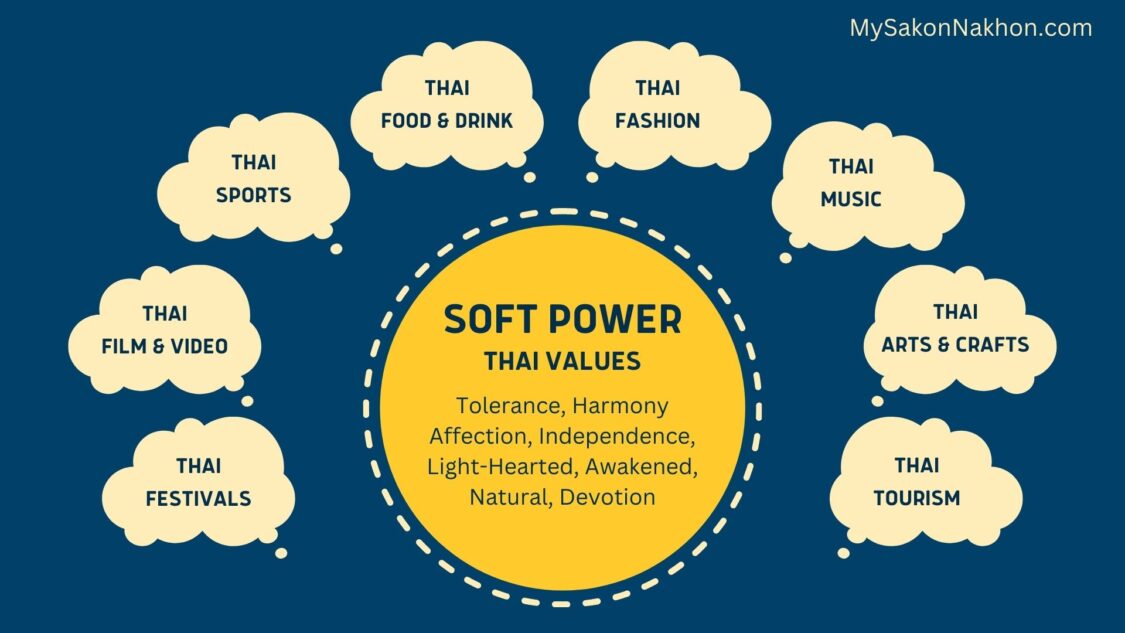
In recent months, there has been a lot of talk about “soft power” in Thailand, with Prime Minister Settha Thavisin creating the National Soft Power Strategy Committee to guide initiatives that will develop and promote soft power industries such as Thai food, tourism, music, and sports.
The term “soft power” refers to a countries ability to wield power on the global stage not through military strength and coercion, but through its culture, values, and foreign policy. There is a ranking called the Global Soft Power Index, where Thailand ranks 35th in the world and 6th in Asia.
Thailand’s policy makers are focused on improving this ranking, believing the Kingdom has the potential to climb near #1 in Asia and in the top 10 globally.
Currently, almost all discussions regarding the development of “soft power” in Thailand have focused on those areas of Thai culture that are directly related to the economy.
For example, the Tourism Authority of Thailand (TAT) has identified The 5 Fs of Thai Soft Power as: Food, Film, Fashion, Festivals, and Fighting (Muay Thai). Meanwhile, Dr. Ake Pattaratanakun, of Chulalongkorn’s Business School has emphasized that Thailand’s soft power and economic growth depend on the development of The Two Ts: Talent and Tools.
What seems to have been lacking, so far, is any deep discussion of the “values” aspect of soft power. That is, what are the underlying Thai values that have made Thailand’s culture attractive to so many foreigners?
These values after all are the foundation from which Thai food, fashion, music, film, etc. have emerged and flourished. And if these traditional Thai values are to survive through the modern age, they need to be identified, nurtured, and promoted.
Thailand’s education system, businesses, government, and individual creators alike should work together in this task of preservation. Otherwise, the Kingdom’s unique cultural industries could lose their soft power.
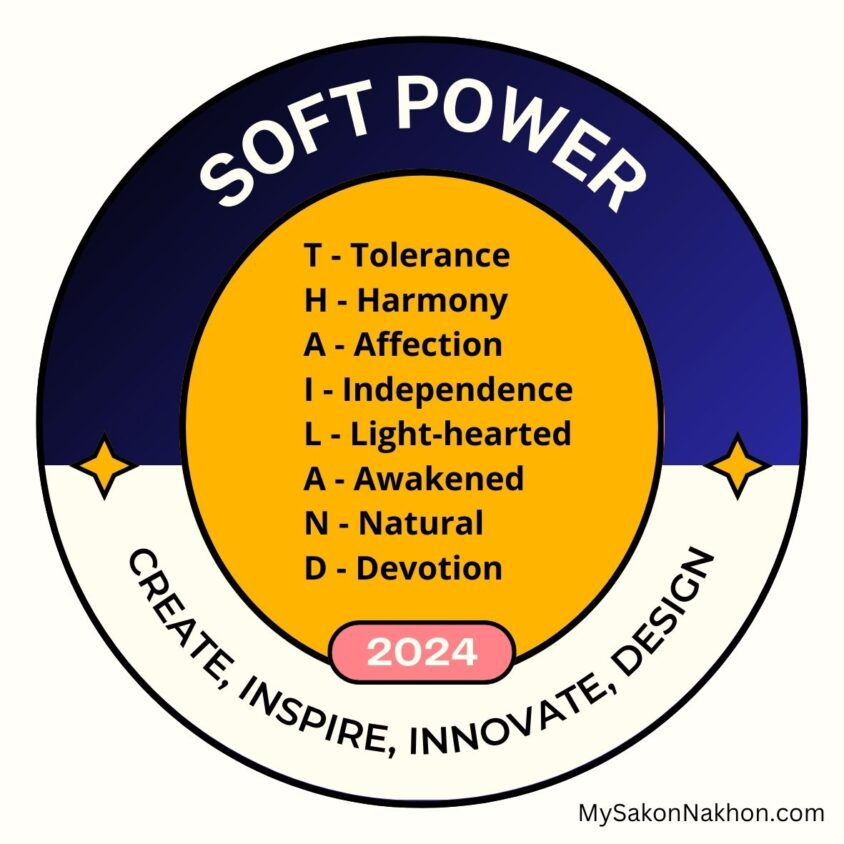
The 8 Thai Cultural Values of Soft Power
At MySakonNakhon.com, we’ve identified the following Thai values as important to Thailand’s soft power on the world’s stage.
T – Tolerance: In keeping with Buddhism, the Thai people show tolerance in their generous acceptance of people with different beliefs, opinions, and lifestyles, allowing diversity to flourish in its best sense.
H – Harmony: Every aspect of Thai culture strives to achieve harmony, whether it be in traditional dance & music, arts & crafts, culinary dishes, or a harmonious environment in which to work and live. It also is the reason why Thais place such importance on being “greng jai” and saving face.
A – Affection: Work done without heart is work not worth doing. Thai people are famously affectionate not only with family and friends, but in the love they apply to the work they do and their interactions with others.
I – Independent: Thailand means “free land,” and there are few countries with a more independent spirit than the never-colonized Thai kingdom, where over 50% of the population are entrepreneurs or self-employed.
L – Light-hearted: The light-hearted smiling Buddha, seen at so many Thai temples, is an ideal that most Thai people seek to emulate, and a value that contributes famous Thai smile. It could be considered one of Thailand’s most important cultural exports.
A – Awakened: After his enlightenment, the Buddha said, “I am awake”. But to be awakened in Thailand isn’t only to be spiritually awakened. It is to be fully awakened in the senses, so you can experience all that life has to offer.
N – Natural: Thailand is a country of great natural beauty, with enchanting mountains, lush rice fields, and white sandy beaches. The Thai people place high value on “the natural way” when it comes to food, lifestyle, and medicine.
D – Devoted: The devotion that Thai people show to their ancestors and family members is an aspect of Thai culture that many foreigners admire. This devotion is an extension of the people’s religious faith.
It should be recognized by all “value” stakeholders in Thailand that these values do not only form the foundation of Thai soft power. They also are those traditional values and ideals that appeal to foreigners — especially those in the West who have witnessed a decline in these values in their home countries.
Whether making a Thai culinary dish, recording a Thai song, shooting a Thai film, weaving an indigo dress, or organizing a trip through undiscovered Thailand, creators always should keep these “soft power” values in mind, so as to create distinct Thai products that influence the world for the better.
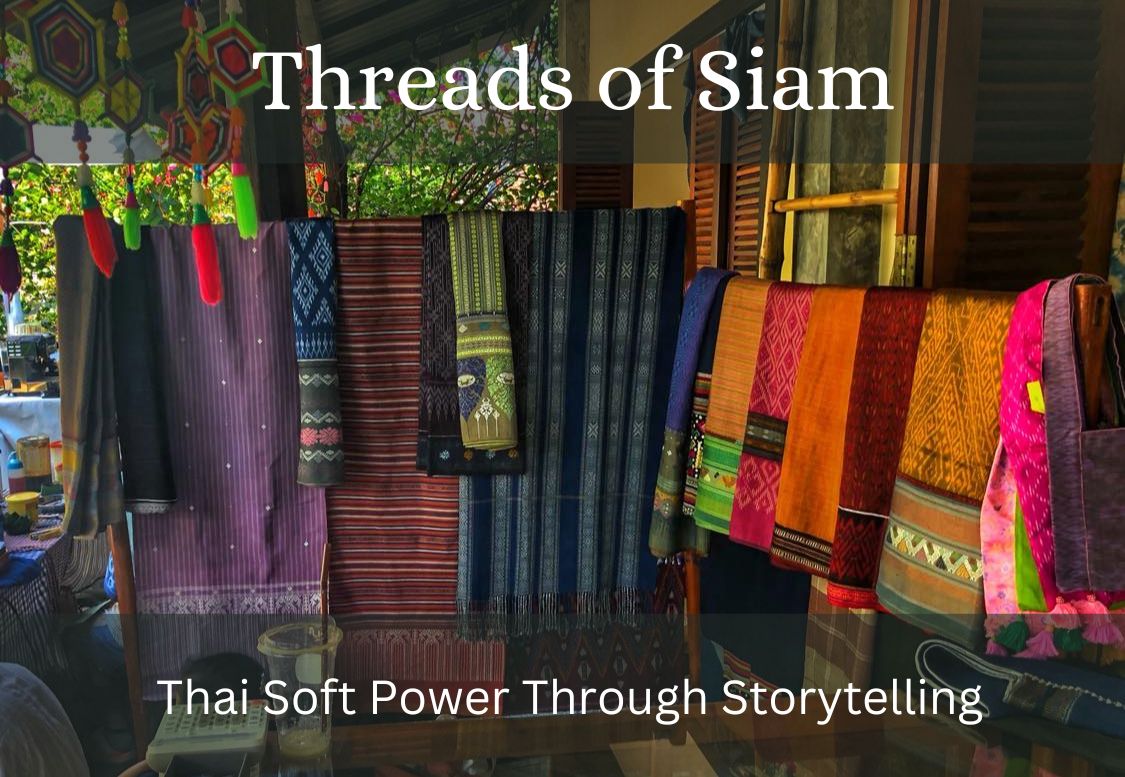
Developing Thailand Soft Power Through Storytelling
Storytelling is one of the most effective ways to develop and strengthen Thailand’s soft power domestically and spread it on the international stage. Of course, one shouldn’t be hitting people over the head with Thai values in storytelling. A good, compelling, story must always come first.
However, Thai storytellers can always keep in the back of their minds The 8 Thai Cultural Values of Soft Power, and look for subtle ways to demonstrate them in their stories, so as to strengthen Thailand’s national brand image. For example, we’ve created a short outline of a story to demonstrate.
Read the Full and Newly Edited Version of This Essay
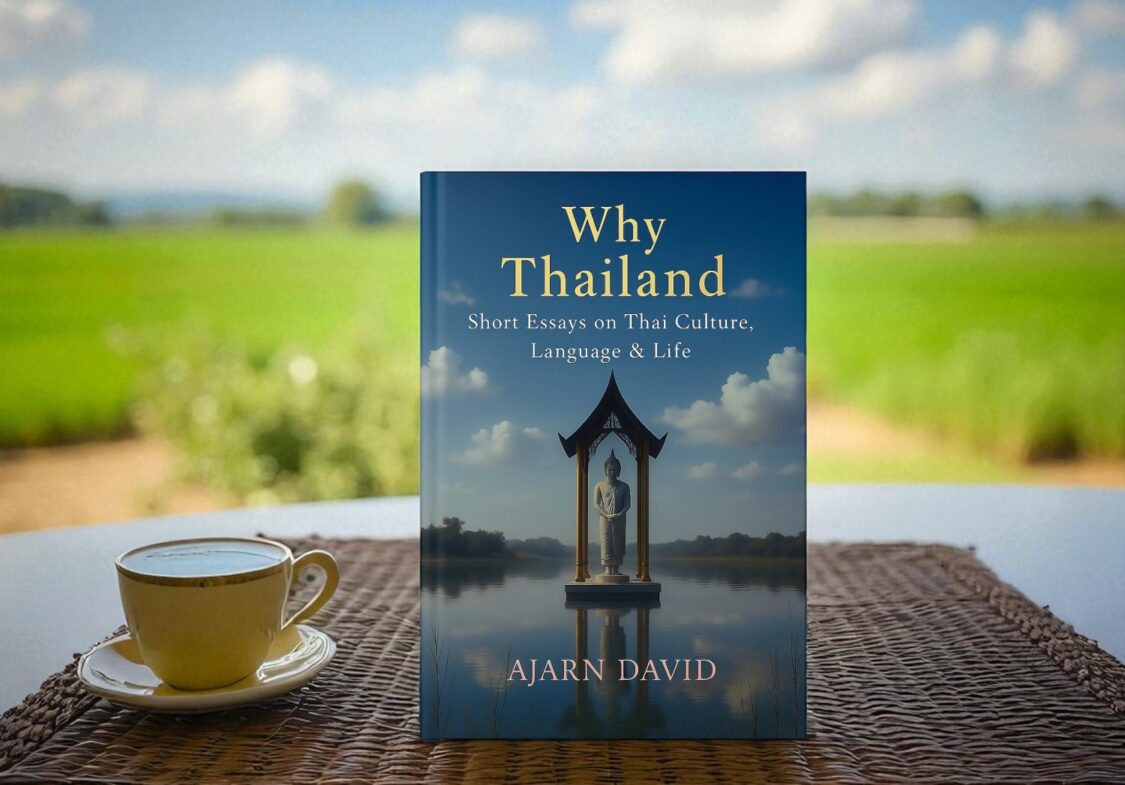
in Why Thailand: Short Essays on Thai Culture, Language, and Life
BUY ON AMAZON BUY IN THAILAND

- How I Wrote “Rak Sakon Nakhon”: A Thai Song for the Road Home - September 12, 2026
- Easy Thai Songs to Sing & Learn for Karaoke - September 5, 2026
- Reframe Your Brain for Thai Learning - April 18, 2026