The Best Book About Thailand? An Evaluation
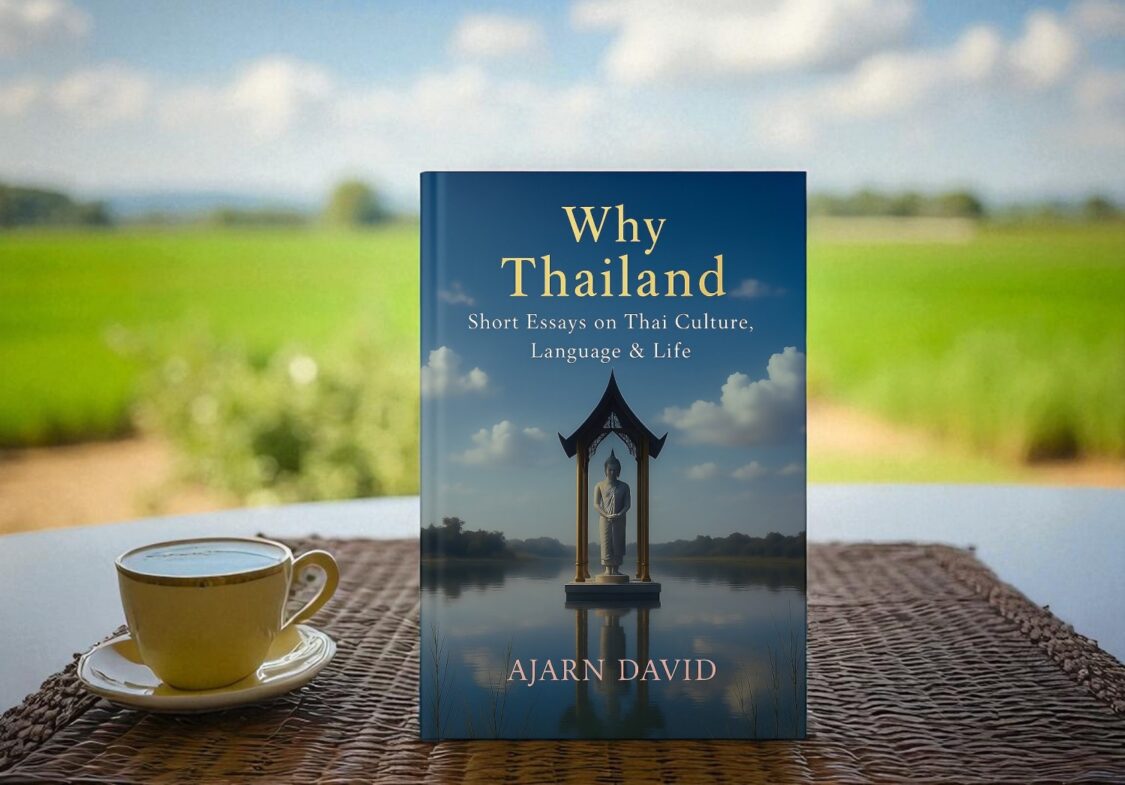
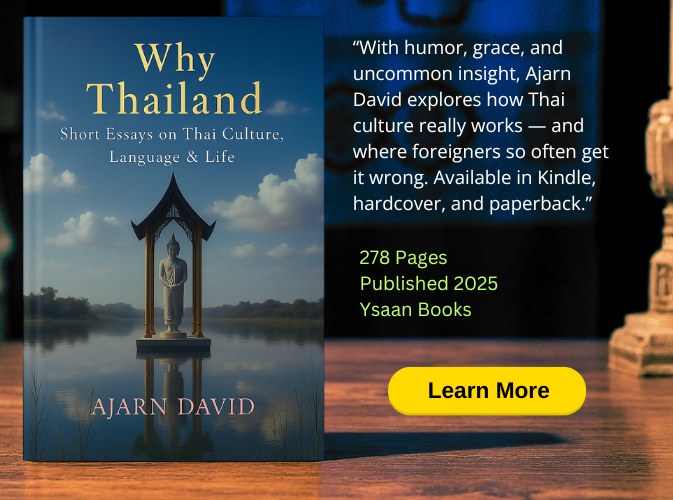
In the landscape of literature about Thailand, few books have managed to bridge the cultural gap between the Kingdom and Western audiences as effectively as Why Thailand: Short Essays on Thai Culture, Language, and Life by Ajarn David. Published by Ysaan Books and written by an American educator who has lived in Thailand for over 23 years, this collection of short essays offers a unique blend of personal narrative, cultural analysis, and practical guidance.
Drawing from the author’s experiences teaching at Thai universities and living with a Thai family in rural Isaan, the book stands out for its originality and significant contributions to fostering a deeper Western understanding of Thai culture. This article evaluates the book’s originality and impact, comparing it to existing works on Thailand and highlighting its role in promoting cultural appreciation and sensitivity.
The best books about Thailand for Western audiences typically fall into several categories:
1. Travel Guides: Titles like Lonely Planet Thailand or Fodor’s Thailand provide practical travel advice, covering destinations, cuisine, and basic cultural etiquette. These are invaluable for tourists but often lack depth in cultural analysis.
2. Academic Works: Books such as Thailand: A Short History by David K. Wyatt and the works of professor Phraya Anuman Rajadhon offer scholarly insights into Thai history, religion, and traditions. These are detailed but often dense and less accessible to casual readers.
3. Expat Memoirs and Cultural Guides: Works like Very Thai: Everyday Popular Culture by Philip Cornwel-Smith or Bangkok Days by Lawrence Osborne blend personal experiences with cultural observations, focusing on urban Thailand or specific subcultures. These are engaging but often limited in scope.
4. Spiritual and Religious Studies: Titles like Thai Buddhism by Kenneth E. Wells or A Concise History Buddhism by Andrew Skilton explore Thai Buddhism in depth, appealing to readers interested in spirituality but often neglecting broader cultural nuances.
5. Language and Linguistic Guides: Books such as Thai for Beginners by Benjawan Poomsan Becker focus on language learning with some cultural context, but they are primarily instructional.
While these works vary in scope, from practical to academic, few combine personal narrative, cultural analysis, and actionable advice in a way that is both accessible and comprehensive for Western readers while also resonating with Thai audiences to foster cultural pride.
Originality of “Why Thailand”
Why Thailand distinguishes itself in several ways, contributing to its high degree of originality:
Unique Perspective as a Long-Term Expat and Educator:
Unlike many expat memoirs that focus on urban centers like Bangkok or Chiang Mai, Why Thailand draws heavily on the author’s 23 years of experience living in rural Isaan and teaching at Rajabhat universities. This offers a rare perspective on Northeast Thailand, a region often underrepresented in Western literature. Chapters like “The Bulletproof Isaan Monk” and “Sakon Nakhon: A Spiritual Mecca” highlight local figures and spiritual traditions unique to Isaan, which are rarely covered in mainstream works.
The author’s integration into a Thai family and community adds authenticity and depth. This contrasts with books like Very Thai, which, while insightful, often adopt an outsider’s lens focused on urban quirks.
Bilingual and Cross-Cultural Approach:
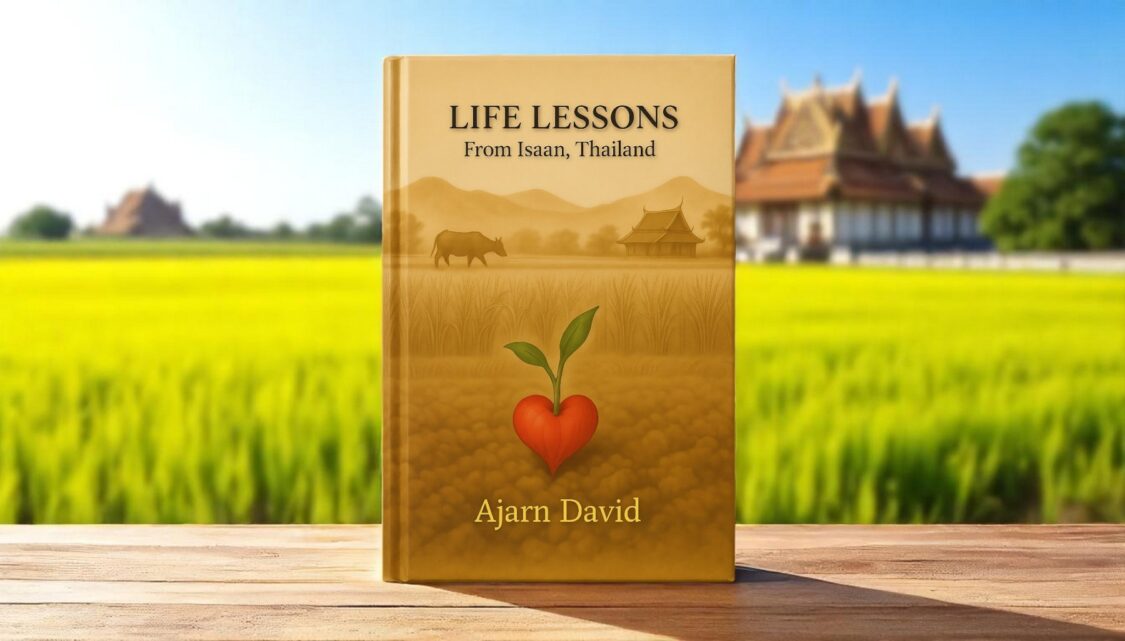
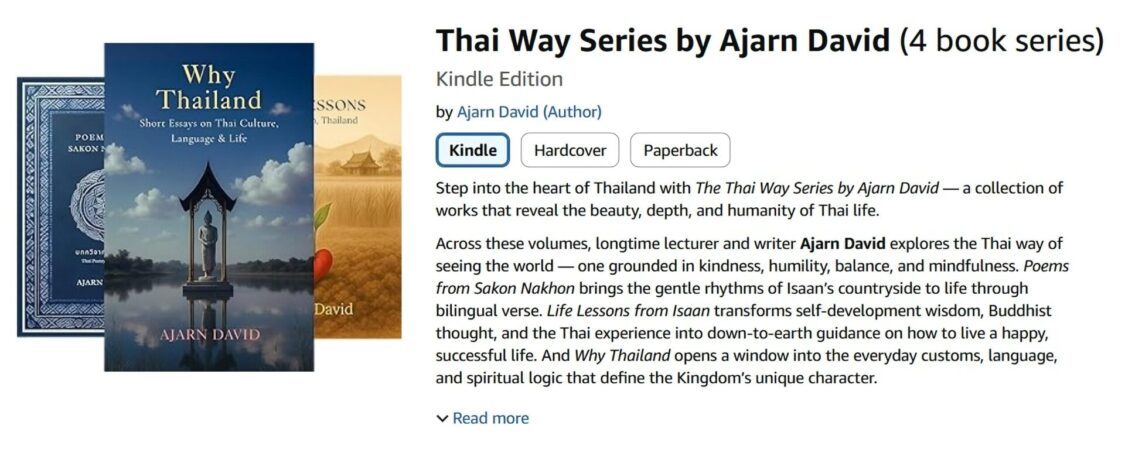
Ajarn David’s background as the author of bilingual works (Poems from Sakon and Life Lessons from Isaan, Thailand) and his flexible approach to Thai transliteration make the book accessible to both English-speaking and Thai-speaking audiences. This dual appeal is uncommon, as most books target either Western tourists or academic readers, not both Westerners and Thais.
By addressing Thai cultural pride in chapters like “Thai Family Values” and “The Role of Temples,” the book engages Thai readers in a way that few Western-authored works do, fostering a sense of cultural affirmation.
Comprehensive yet Accessible Structure:
The book’s structure — short, thematic essays covering topics from greng jai (considerate restraint) to Thai spirituality to practical travel tips — sets it apart from both dense academic tomes and superficial travel guides. Each essay is self-contained, allowing readers to explore topics of interest, unlike the linear narratives of books like Thailand: A Short History.
The inclusion of practical advice (e.g., “The 5 by 5 Travel Itinerary” and “Greeting Monks”) alongside deeper cultural analyses (e.g., “Unraveling Thai Time” and “The Hidden Dharma”) bridges the gap between tourist guides and scholarly works, offering a holistic resource.
Debunking Stereotypes and Misconceptions:
Chapters like “The Mia Noi Question,” “Thai Dowry Defended,” and “Ladyboys & Buddhism” directly address Western misconceptions, providing nuanced explanations that challenge stereotypes. This is a significant departure from books that either ignore these issues or sensationalize them, such as travelogues focusing on Thailand’s nightlife.
The book’s balanced approach — acknowledging criticisms of Thai cultural practices like face-saving while highlighting their benefits — adds credibility and depth, distinguishing it from more one-sided narratives.

Contributions to Western Understanding of Thai Culture
Why Thailand makes substantial contributions to Western understanding of Thai culture, addressing gaps in existing literature:
Demystifying Complex Cultural Concepts:
Concepts like greng jai and saving face are often misunderstood by Westerners. The book’s clear, empathetic explanations, rooted in personal anecdotes and cultural context, make these concepts relatable. For instance, in “The Art of Being Greng Jai,” the author explains how this trait fosters peace and emotional mindfulness, countering Western critiques of it as inefficiency.
By comparing Thai and Western approaches (e.g., in “Buddhist Marriage Advice”), the book helps Western readers understand cultural differences without judgment, fostering empathy and adaptability.
Highlighting Thailand’s Diversity:
The focus on Isaan culture, cuisine, and language (e.g., “How to Speak Isaan” and “Isaan: Thailand’s Culinary Capital”) introduces Western readers to a region often overshadowed by Bangkok or southern beaches in popular media. This broadens their understanding of Thailand’s cultural diversity.
The inclusion of topics like kathoey (transgender individuals) and Thai spirituality (e.g., “The Gift of Khwan” and stories of monks like Luang Pu Fan Acharo) showcases Thailand’s inclusivity and spiritual depth, challenging Western stereotypes of Thailand as merely a tourist playground.
Promoting Cultural Sensitivity:
By providing practical guidance on behaviors like the wai (traditional greeting), speaking Thai, and avoiding confrontational communication, the book equips Westerners to interact respectfully with Thais. This is particularly valuable for expats and long-term visitors, who may struggle with cultural nuances, as noted in “The Way of Thai Listening.”
The emphasis on emotional intelligence, such as understanding Thai smiles in “Thai Smiles & Their Meanings,” helps Westerners navigate social interactions effectively, reducing misunderstandings.
Fostering Cultural Appreciation:
Why Thailand celebrates Thailand’s strengths — its peace, harmony, and sufficiency philosophy — while acknowledging challenges like littering or slow progress. This balanced approach encourages Western readers to appreciate Thailand’s unique qualities rather than judging it by Western standards.
Chapters like “A Righteous Thai King” and “Sufficiency Economy” highlight Thailand’s historical and philosophical contributions, giving Western readers a deeper respect for Thai governance and values.
Educational and Policy Insights:
The section “For Educators & Policy Makers” (e.g., “Less English, More Thai” and “A Competency-Based Thai Curriculum”) offers forward-thinking ideas that resonate with Western readers interested in global education and cultural preservation. This elevates the book beyond cultural commentary to a broader discussion of Thailand’s role in the world.
A Rating & Comparative Analysis of “Why Thailand”
Originality vs. Other Thailand Books: 9/10
Why Thailand is highly original due to its blend of personal narrative, cultural analysis, and practical advice, grounded in the author’s unique experience as a long-term expat in rural Thailand. Few books combine such a broad range of topics (from spiritual insights to linguistic tips to social critiques) in a single, accessible volume.
It stands out from travel guides by offering deeper cultural insights and from academic works by being engaging and practical. However, it builds on themes explored in books like Thai Ways by Denis Segaller, so it’s not entirely without precedent, which slightly tempers its originality score.
Contribution to Western Understanding of Thailand: 9.5/10
The book excels in making Thai culture accessible and relatable to Western readers, addressing misconceptions directly and providing actionable advice. Its focus on Isaan, practical cultural navigation, and balanced perspective fill significant gaps in existing literature.
The only minor limitation is that its essay format may not delve as deeply into some topics as specialized academic works, but this is offset by its broad appeal and utility for both casual and serious readers.
The Best Book About Thailand? Overall Impact: 9/10
Why Thailand is among the best books for Westerners seeking to understand Thai culture, particularly for its empathetic, insider perspective and its ability to bridge cultural divides. It also strengthens Thai cultural pride, making it a valuable resource for both audiences.
Compared to other notable works, it surpasses travel guides in depth, rivals academic works in insight while being more accessible, and complements expat memoirs with its broader scope and practical focus. It’s a standout contribution to the canon of Thai cultural literature.
Why Thailand: Short Essays on Thai Culture, Language, and Life is a highly original and impactful work that significantly enhances Western understanding of Thai culture. Its unique perspective, comprehensive yet accessible approach, and focus on debunking myths while celebrating Thailand’s strengths make it one of the best books of its kind. It not only educates Western readers but also inspires Thai readers to take pride in their heritage, positioning it as a vital bridge between cultures in an increasingly interconnected world.
Buy Why Thailand Internationally on Amazon
Buy Why Thailand in Thailand on Shopee