Dreams in Thailand: Why You Should Pay Attention
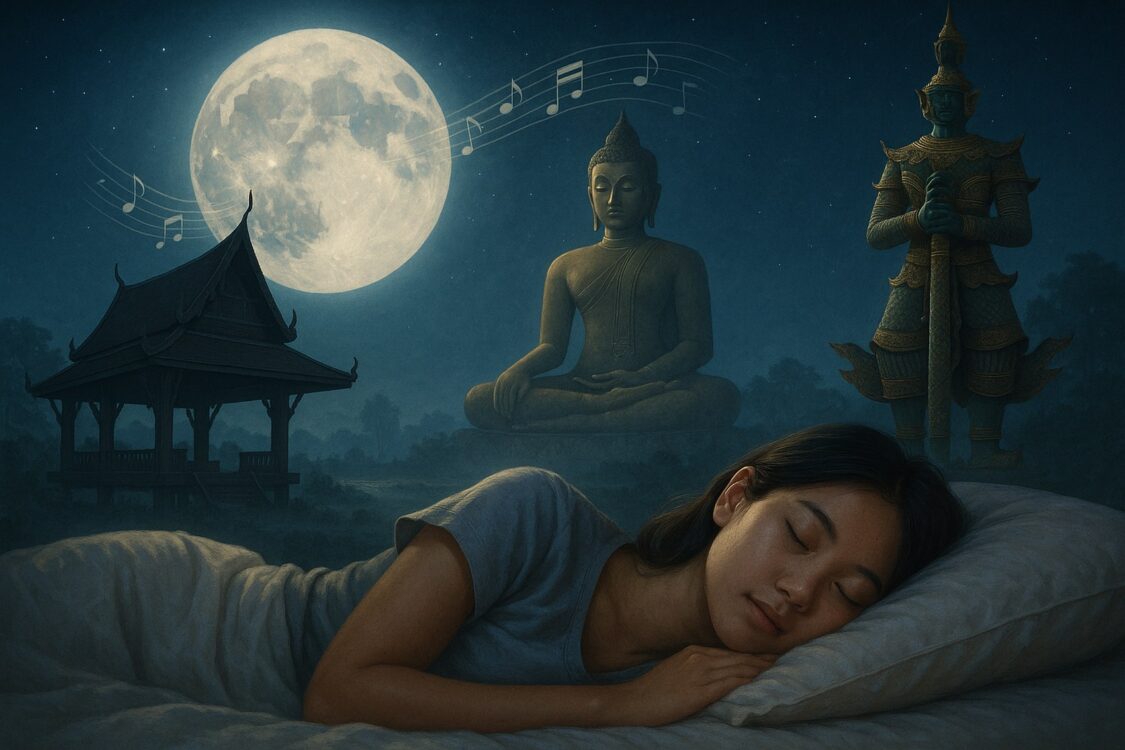
In Thailand, dreams wield a power greater than in those societies that no longer believe in the metaphysical. Almost everyone here has friends or relatives who received a winning lottery number from a recently deceased family member in a dream, or who escaped bodily harm due to a premonition in a dream.
I was reminded of the importance of dreams recently when I dreamed of a Thai friend and colleague who cursed me out in the dream for odd, unknown reasons. A vitriolic attack like that would rarely, if ever, happen in real life, since Thais diligently avoid confrontations or show even a hint of anger with someone they know well.
If I were still living back in the West, I probably would have just dismissed the dream. But living in Thailand, where dreams are metaphysical portals, I knew to take the dream seriously and give the Thai friend a wide berth for at least a month, being extra quiet and deferential the next time I run into them.
Dreams in Thai Buddhist Thought
The Thai people’s relationship with dreams, like so many things, is intimately entwined with Buddhism. In Buddhist philosophy there are said to be four causes of dreams:
1. ธาตุโขภะ (tâat kŏh pá ): dreams caused by bodily imbalance or illness;
2. อนุภตูปพุพะ (à-nú pá-dtòop pú pá ): dreams that arise from mental preoccupation or remembering past experiences;
3. เทวตูปสัญฺญารณ (tay-wá dtôo pâ sà-nyâ ráná): dreams inspired by divine beings or devas;
4. ปุพนิมิต (bpùp pá ní-mít): dreams that are omens, giving glimpses of the future.
While the Buddha accepted that some dreams are mere by-products of body and mind, certain dreams — particularly those of the last category, bpùp pá ní-mít — carry significance.
Great kings, such as King Pasenadi of Kosala (Ancient India), are recorded as consulting the Buddha on their troubling dreams, which were interpreted as signs of forthcoming social upheaval, famine, or prosperity. Thus, in Buddhist Thailand, to ignore a dream is often to ignore a message, whether it comes from one’s own subconscious, the residue of karma, or unseen beings.
Dreams in Thai Literature & Folklore
Beyond the monastery, Thai literature has long treated dreams with reverence. In classical texts, such as the “Maha Supina Jataka” and later chronicles, dreams foretell political change, the rise of great leaders, or disasters that must be averted. Thai poets and storytellers employed dreams to connect human life with cosmic order, often blending Buddhist themes with local animist beliefs.
The Thai word for dream, făn (ฝัน), is not merely about nighttime visions but also about hopes, aspirations, and warnings. For example:
A dream of a snake or ngoo (งู) can still be heard interpreted by elders as a sign of coming romance or fortune.
A dream of teeth falling out, fan lùt (ฟันหลุด), may be taken as a portent of a relative’s death.
And dream books, called dtam-raa tam naai făn (ตำราทำนายฝัน), remain popular in bookstores and market stalls, offering symbolic interpretations alongside lucky lottery numbers.
This blending of Buddhism, folklore, and everyday practicality makes the Thai relationship with dreams uniquely rich and intimate.
Where Westerners might treat a dream as a curiosity or private matter, Thais discuss them openly, often the very next morning, weighing their meanings with friends or fortune tellers known as mŏr doo (หมอดู). In addition, monks, who are revered for their spiritual insight, are frequently consulted alongside fortune tellers to interpret dreams, especially those believed to carry karmic or divine significance.
Dreams That Shaped the Thailand
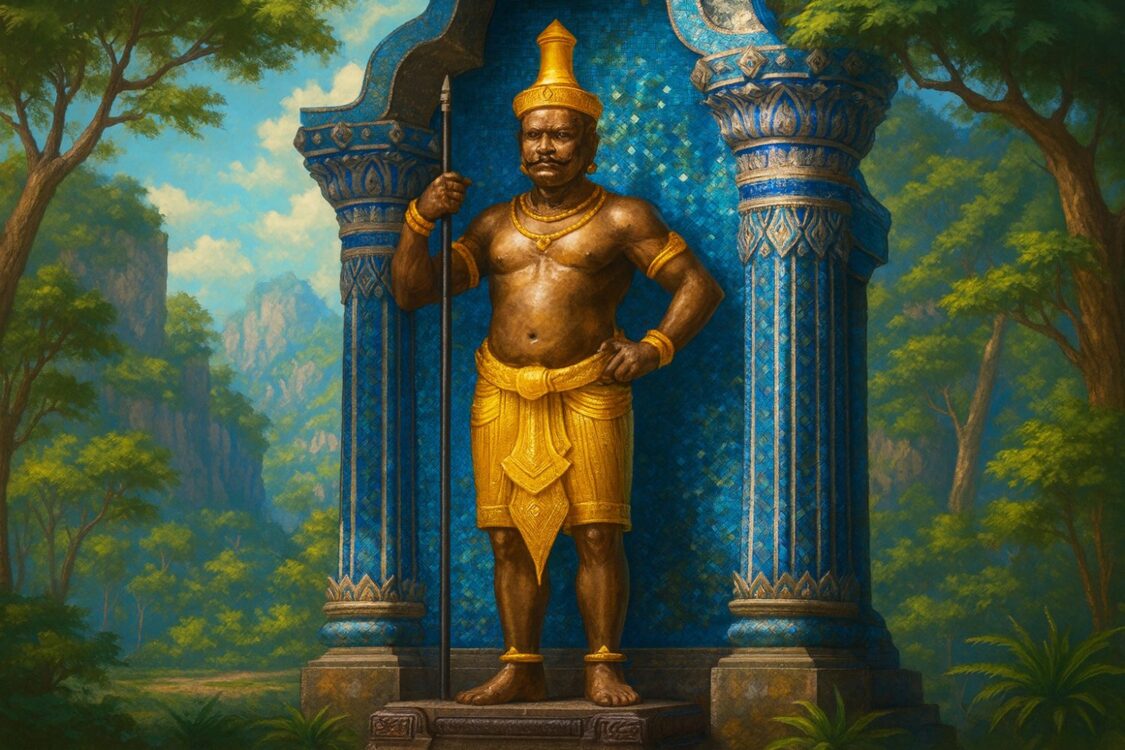
Thailand’s deep respect for dreams isn’t confined to the folk or spiritual realms. It reaches into the heart of its history. I’ve heard it said more than once by old Thai scholars that the Kingdom was shaped by dreams.
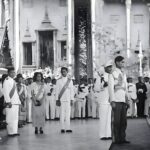
Take King Rama II, who reportedly dreamed of the moon drifting toward him while a mysterious melody floated through the night air. Awaking with the tune still echoing in his mind, the king sat at his khim (dulcimer) and played the melody exactly as he had heard it.
Court musicians quickly transcribed it into formal notation. The piece was called “Bulan Loi Luean” (บุหลันลอยเลื่อน), “The Floating Moon,” and was performed at court for decades. Later, during the reign of King Rama V (Chulalongkorn), this melody was adapted into Thailand’s royal anthem, “Sansoen Phra Barami,” sung in reverence to the monarchy.
Read the Full and Newly Edited Version of This Essay
in Why Thailand: Short Essays on Thai Culture, Language, and Life
BUY ON AMAZON BUY IN THAILAND
- How I Wrote “Rak Sakon Nakhon”: A Thai Song for the Road Home - September 12, 2026
- Easy Thai Songs to Sing & Learn for Karaoke - September 5, 2026
- Reframe Your Brain for Thai Learning - April 18, 2026