Phra Sivali in Thailand: Protector of Travelers
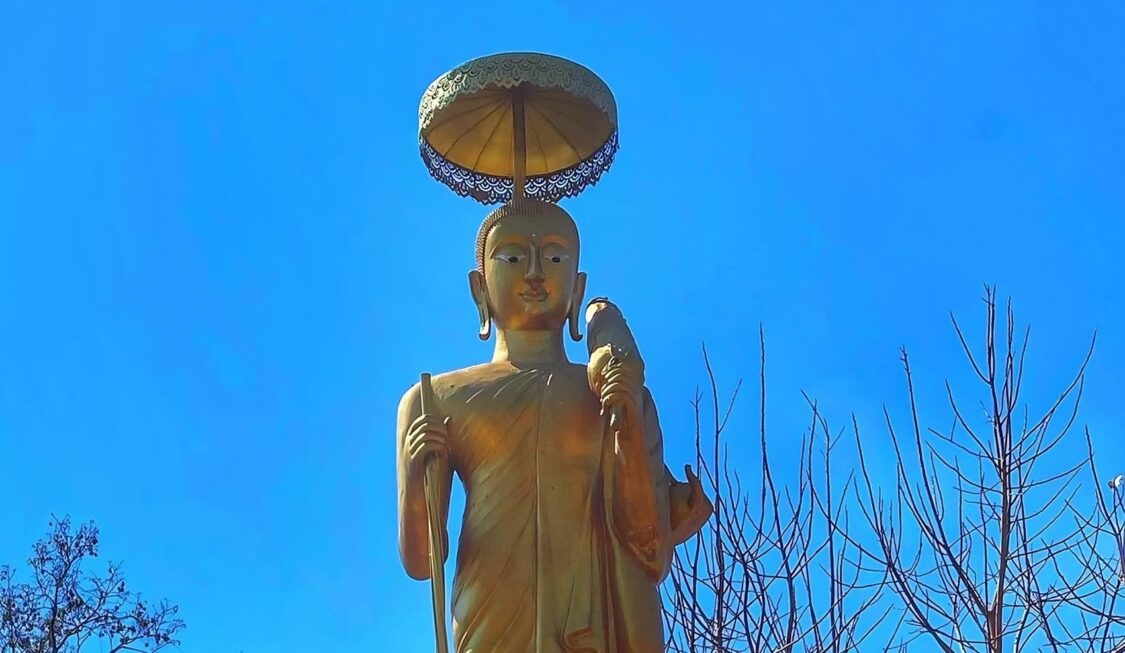
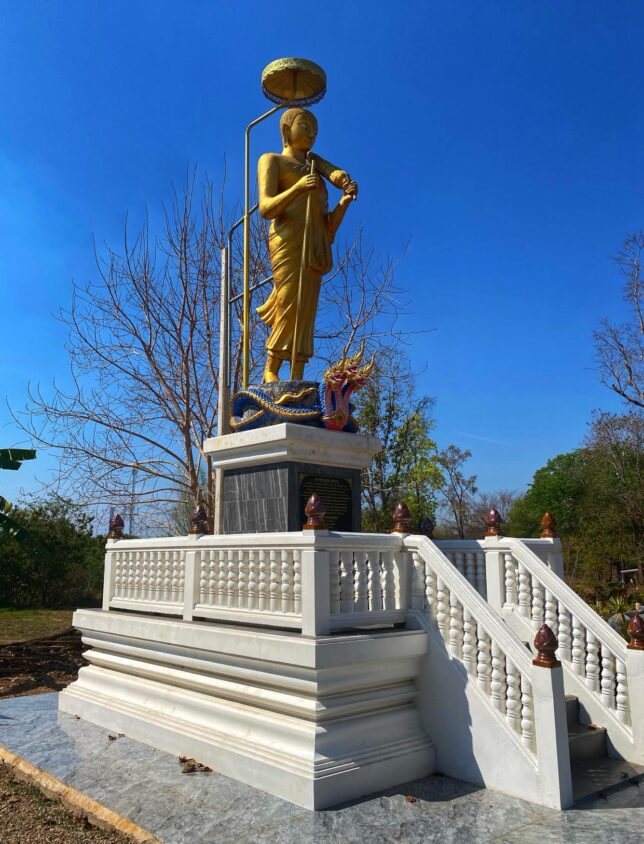
Seen Above: A statue of Phra Sivali at Wat Siri Rat Watthana, Sakon Nakhon
Phra Sivali (พระสิวลี) is a beloved figure in Theravada Buddhism, especially in Thailand. He’s an arhat (a fully enlightened being) and holds a special place in the hearts of many Thai Buddhists. He is in some respects like the Buddhist version of Saint Christopher (the “patron saint of travel”), but he is also more than that. A bringer of good fortune, Phra Sivali’s story weaves together faith, history, and hope.
Phra Sivali’s tale begins with an extraordinary birth. He was born to Queen Suppavasa, a noblewoman married to King Koliya. Legend says he stayed in his mother’s womb for seven years and seven days — a long and unusual pregnancy blamed on past karma. When he was finally born, it wasn’t easy. His mother endured a week of labor. But the moment he arrived, something amazing happened: baby Sivali spoke right away, a sign of his special nature. Soon after, he joined the Buddhist monastic community under the guidance of Sariputta, one of the Buddha’s top disciples, and became an arhat.
What makes Phra Sivali stand out is his knack for abundance. Wherever he went, food, supplies, and blessings seemed to follow. Whether he was in a remote village or a barren wilderness, people offered him alms generously. The Buddha himself praised him as the “foremost in receiving gains,” a title that stuck. Thai Buddhists believe this gift came from good deeds in his past lives, like when he made a huge offering to a previous Buddha, vowing to bring prosperity in the future.
Phra Sivali is often shown standing tall, holding a walking staff, an alms bowl, and prayer beads — symbols of his simple, wandering monk life. These items also hint at his role as a protector of travelers and a source of plenty.
Why Thailand Loves Phra Sivali
In Thailand, Phra Sivali is more than just a historical figure — he’s a living symbol of luck, wealth, and safety. People turn to him when they want their businesses to thrive, their travels to go smoothly, or their homes to be free of trouble. His reputation as a “fortune-fetching monk” has made him a favorite among everyday folks, merchants, and even monks.
One big reason for his popularity is the idea that honoring him brings tangible blessings. Thai Buddhists say that when Phra Sivali was around, no one went hungry — his presence drew generosity from humans and even divine beings like devas (heavenly spirits). Today, people believe that keeping his image or wearing his amulets can attract that same kind of good fortune. It’s not just about money; it’s about having enough of everything — food, peace, and protection.
His connection to travel also resonates in Thailand, a country where many people journey for work, trade, or pilgrimage. Carrying a Phra Sivali amulet is like having a spiritual travel buddy, guarding against accidents or misfortune on the road.
How Thais Worship Phra Sivali
Worshiping Phra Sivali in Thailand is simple and heartfelt, blending Buddhist practice with local traditions. Here’s how people usually honor him:
- Offerings: Devotees offer alms like food, flowers, or incense at temples or home altars where his statues sit. Since he’s tied to abundance, rice or sweets are popular choices — symbols of plenty.
- How I Wrote “Rak Sakon Nakhon”: A Thai Song for the Road Home - September 12, 2026
- Easy Thai Songs to Sing & Learn for Karaoke - September 5, 2026
- Reframe Your Brain for Thai Learning - April 18, 2026
Read the Full and Newly Edited Version of This Essay
in Why Thailand: Short Essays on Thai Culture, Language, and Life

BUY ON AMAZON BUY IN THAILAND