Famous Thai Folktales & Wat Tham Sumontha Phaowana
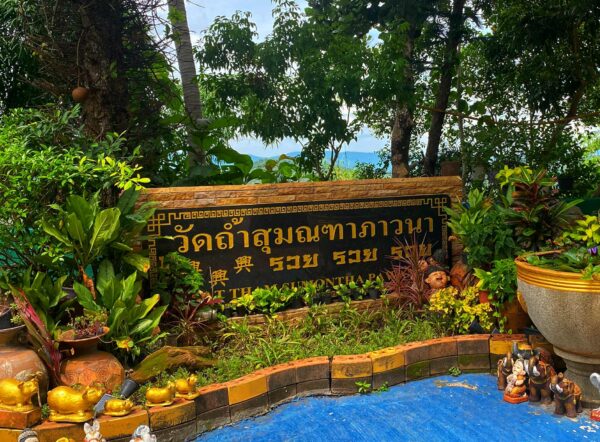
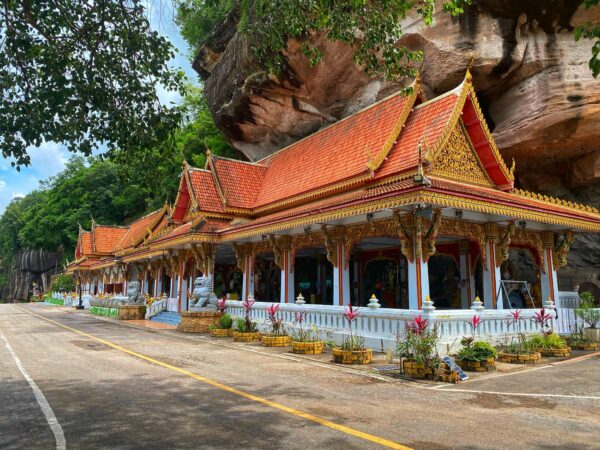
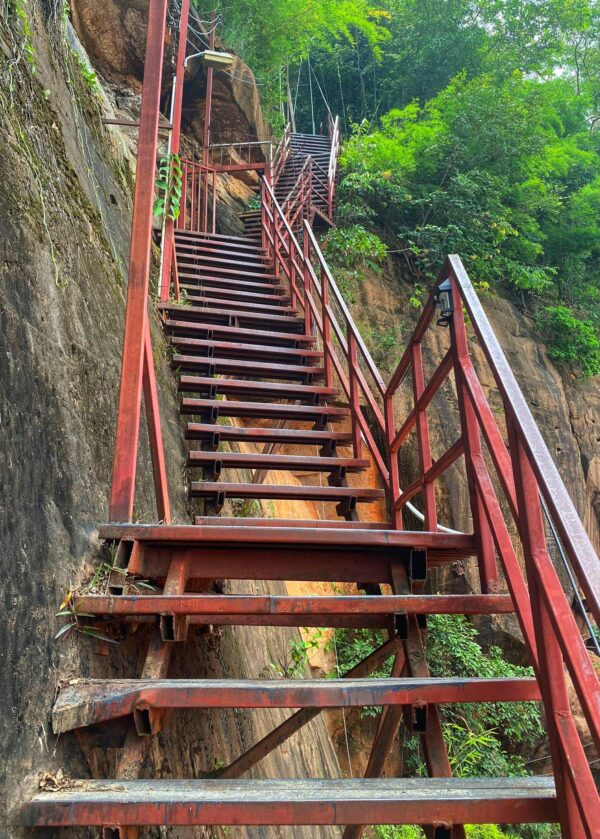
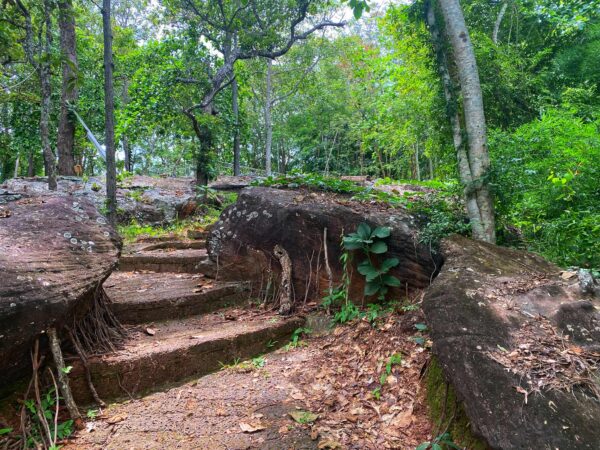
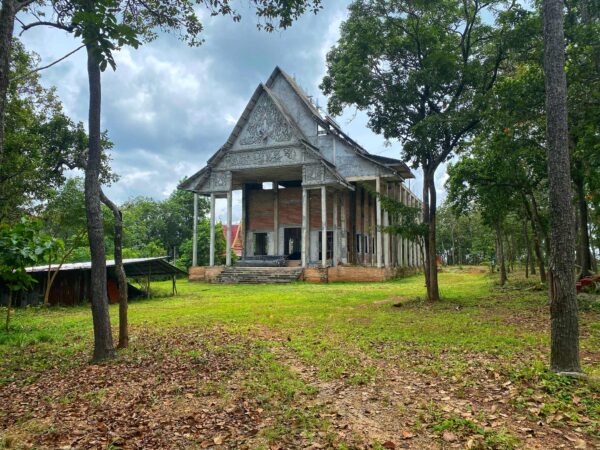
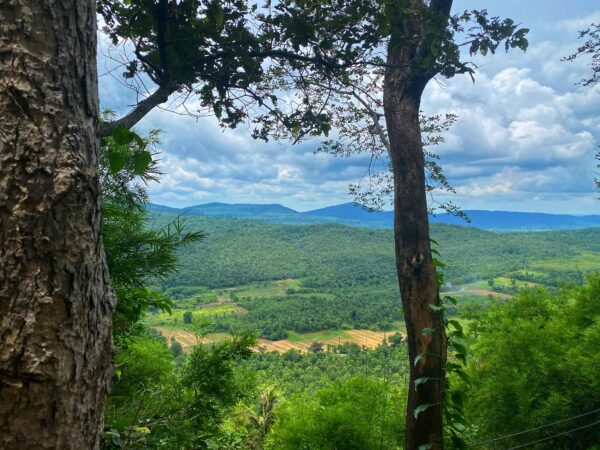
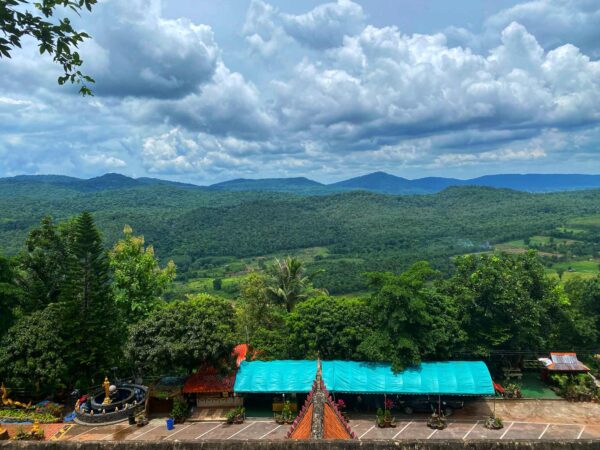
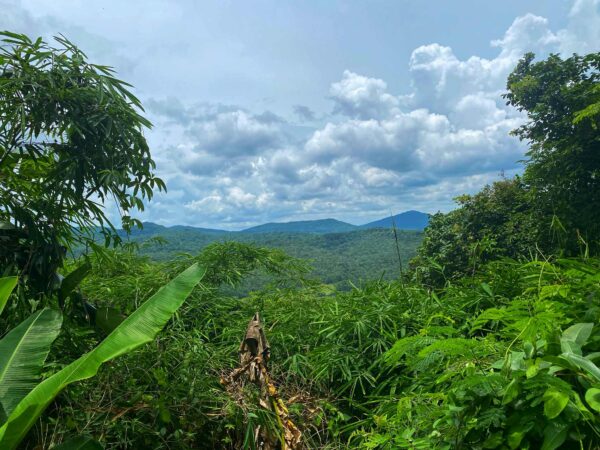
There are many famous Thai folktales, but I think my favorite one is the folktale associated with Wat Tham Sumontha Phaowana (วัดถ้ำสุมณฑาภาวนา), also known as Wat Phasukaram (วัดผาสุการาม), a serene Thai temple located near the provincial borders of Udon Thani, Sakon Nakhon, and Kalasin. This temple sits high on the forested slopes of the Phu Phan Mountains (เทือกเขาภูพาน) in the Ba Yao Forest Reserve (ป่าบะยาว). From its cliffside home, the view stretches for miles across rolling ridges, the air cool and clear throughout the year.
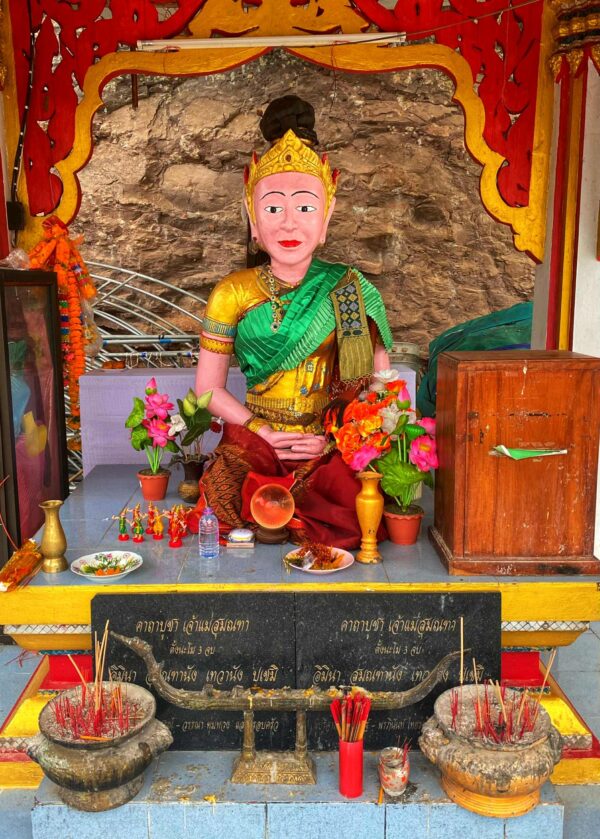
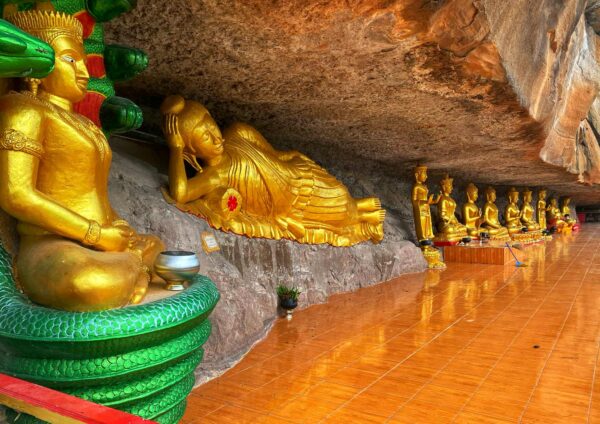
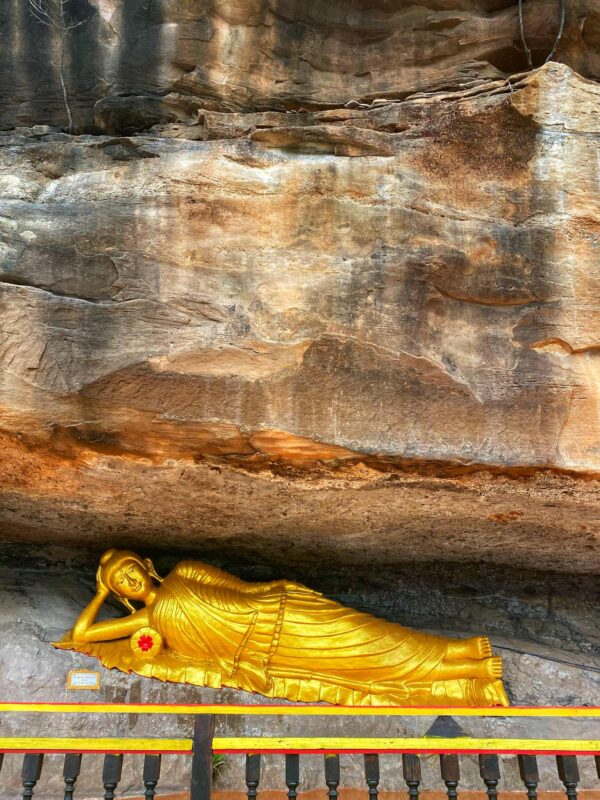
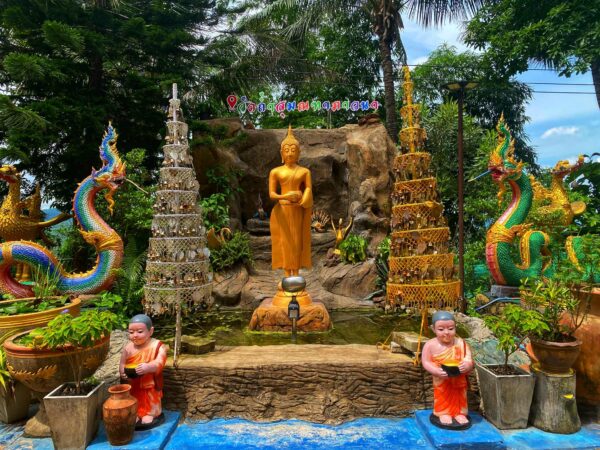
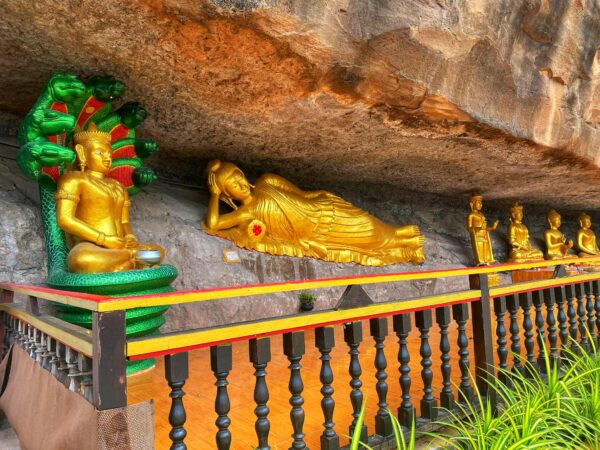
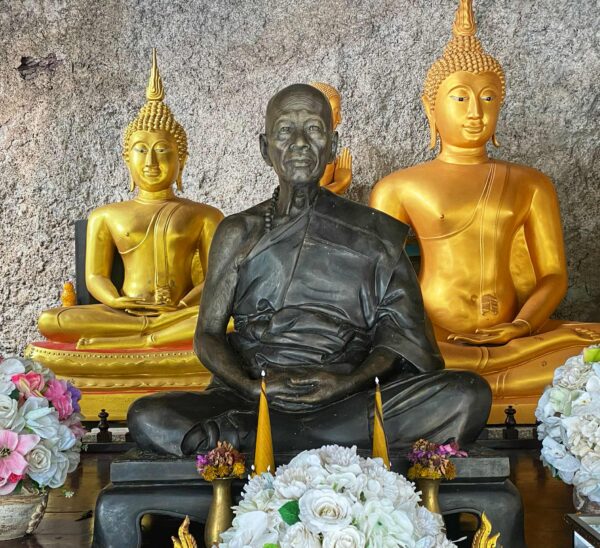
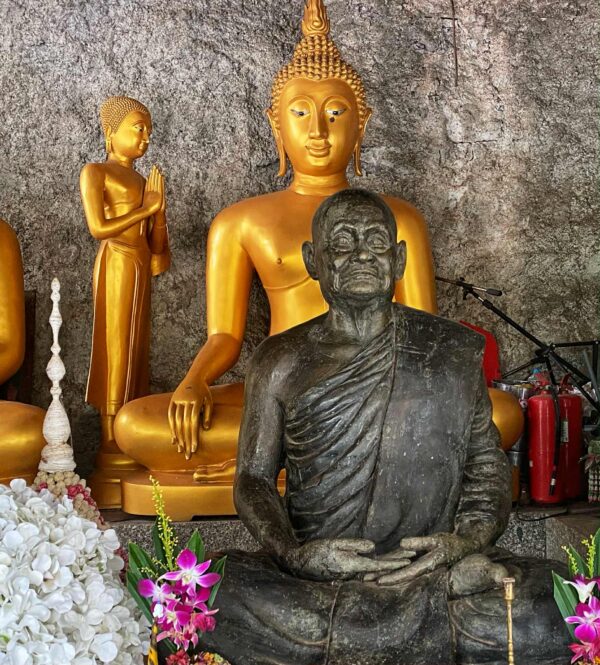
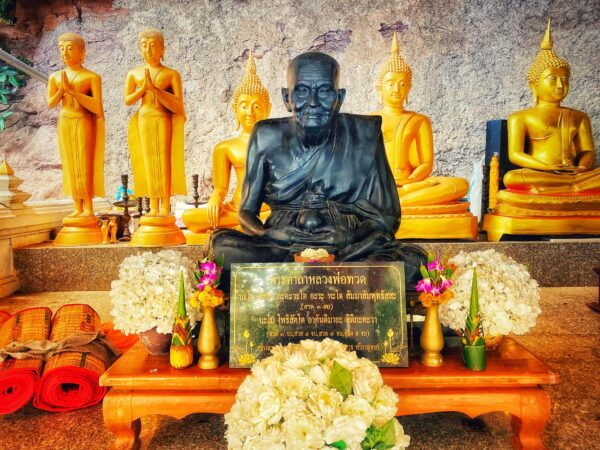
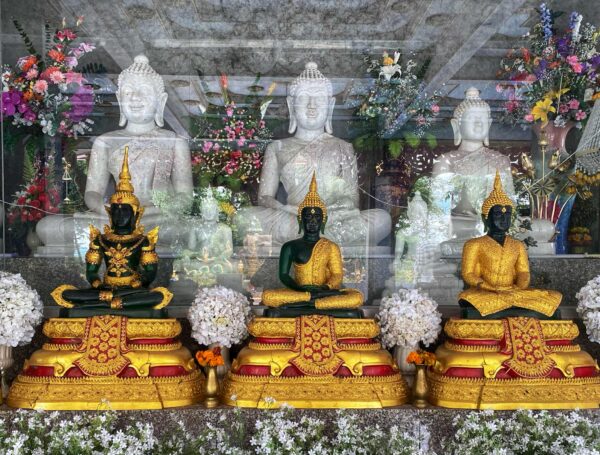
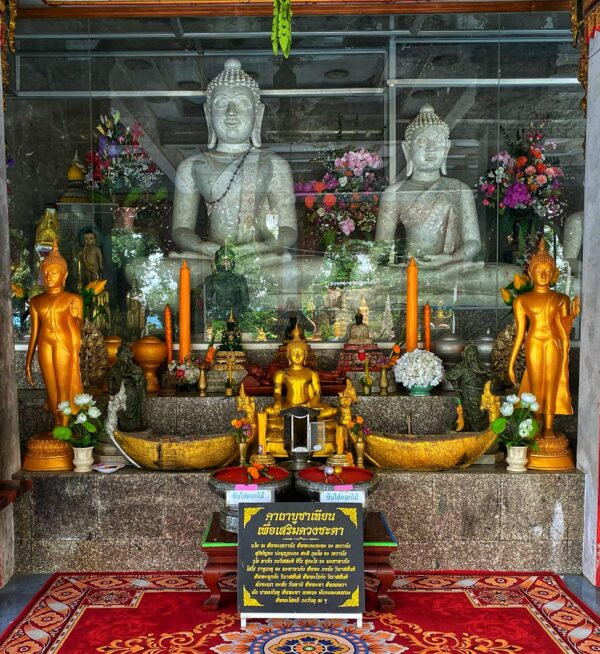
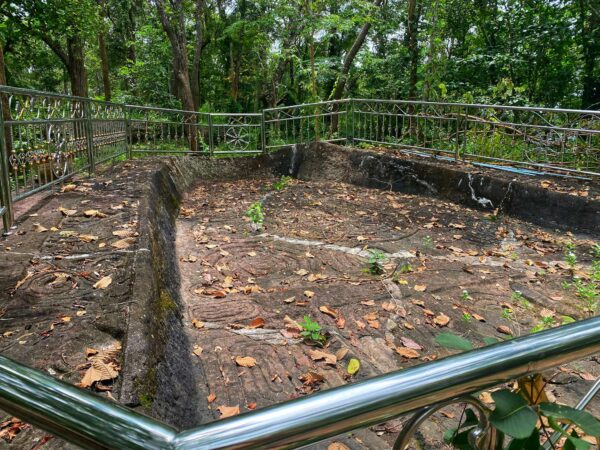
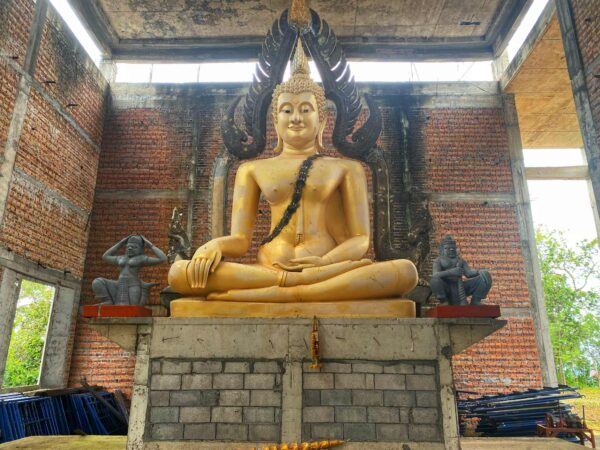
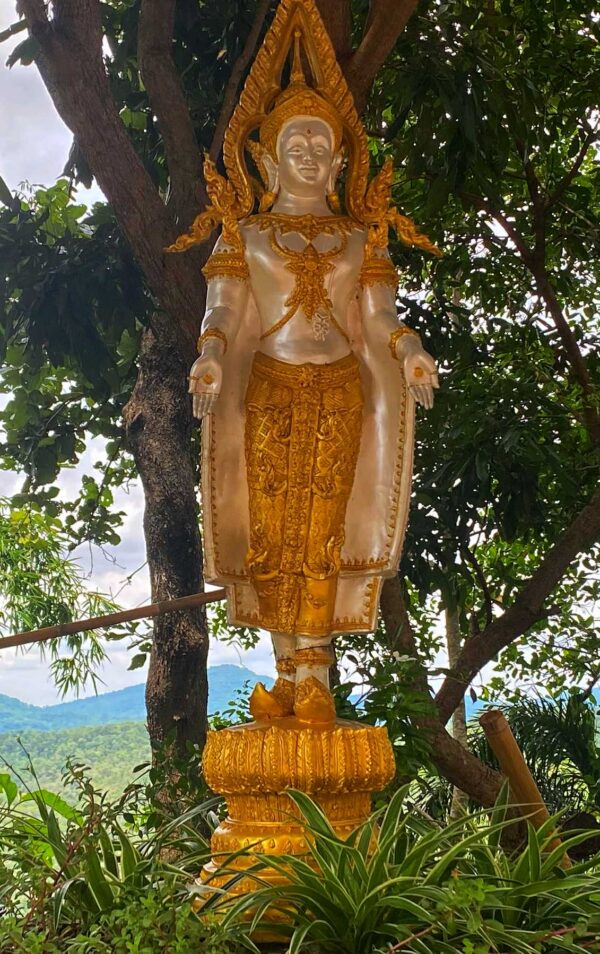
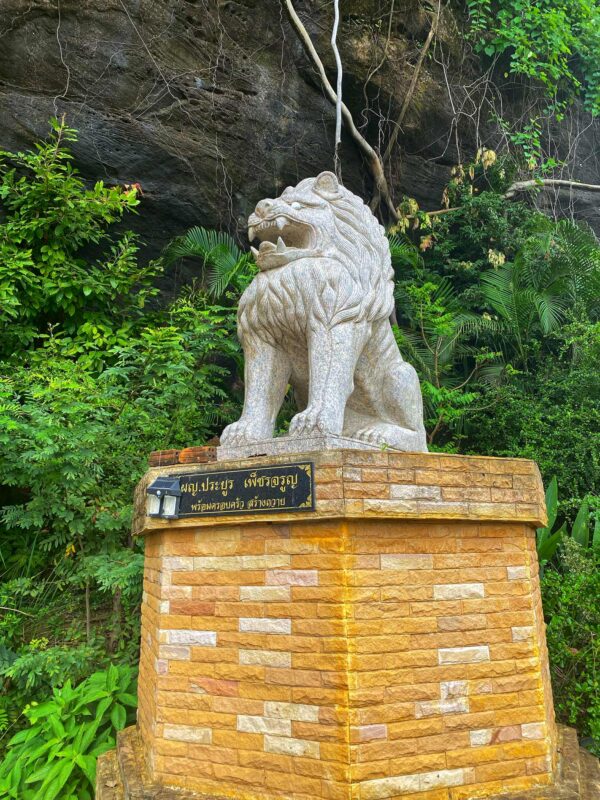
The heart of the temple remains its sacred cave, where revered Buddha images are enshrined. And nearby is a shrine to Nang Sumontha (นางสุมณฑา), the legendary princess whose story gives the temple its name, and whose moral is one which all men should know but often forget.
The Folktale of Nang Sumontha (นางสุมณฑา)
For generations, Isaan villagers have told of the sacred lands west of Ban Phasuk (บ้านผาสุก), where a mysterious cave known as Tham Meng (ถ้ำเม็ง) or Tham Kwian Hak (ถ้ำเกวียนหัก) was said to be home to the “people of the hidden world” (คนบังบด). On clear full-moon nights, strange voices (half-human, half-divine) were heard from within, accompanied by the music of the phin and khaen, and at times strange beams of light glimmered from the cave mouth.
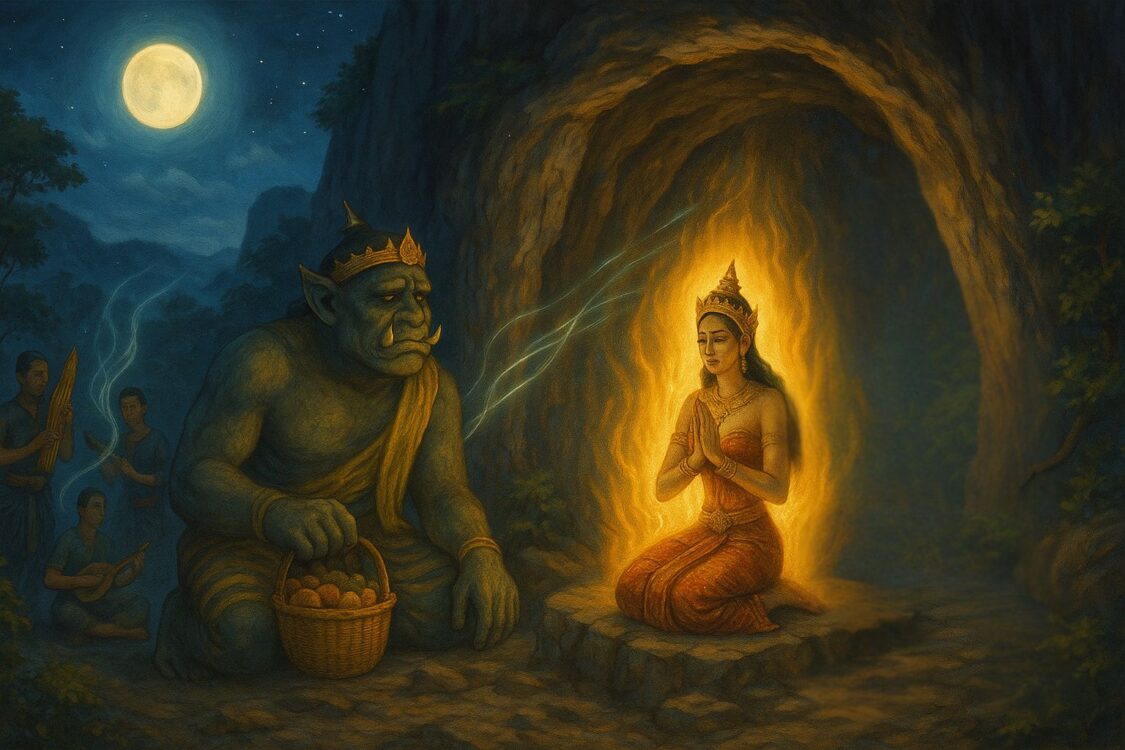
According to Lao–Isaan literary tradition, this was where the giant Phaya Kumphan (พญากุมภัณฑ์) brought Princess Nang Sumontha (นางสุมณฑา), only daughter of the Khmer ruler of Jan Nakhon (จานนครราช). One day, while searching for food on Phu Phan, the giant came upon the princess resting in the forest with her attendants. Struck by her beauty, he abandoned his plan to seize her servants for food, cast a spell to make her sleep, and carried her away to the cave at the summit of Phu Pha Hak (ภูผาหัก).
When she awoke to find herself in the giant’s lair, Nang Sumontha prayed and chanted Brahmanic mantras, calling on guardian deities to protect her. Her prayers were answered — her body radiating heat like fire, keeping the giant from touching her. Thwarted, Phaya Kumphan stayed outside the cave, bringing her fruit each day in quiet devotion.
In Jan Nakhon, the king sent his six younger sons to rescue her, but they could not defeat the giant. He then dispatched his three elder sons — Phra Sri Hor (พระศรีโหร์), Phra Sang Thong (พระสังข์ทอง), and Phra Sang Sinchai (พระสังข์สินชัย) — heroic young men of great power. They fought fiercely, neither side prevailing, until one day the giant fell asleep. Phra Sang Sinchai seized the moment, entered the cave, and led Nang Sumontha to safety.
Their escape route is said to have formed the Rong Nam Songkhram (ร่องน้ำสงคราม): a river famed for being the only one in Thailand whose waters remain crystal-clear from source to mouth. Originating at Phu Phalom (ภูผาลม) just 3 kilometers from Wat Tham Sumontha Phaowana, it flows past the temple grounds and eventually joins the Mekong River. Elders say its winding channel marks the ground where Phra Sang Sinchai and the giant’s forces clashed up and down the slopes.
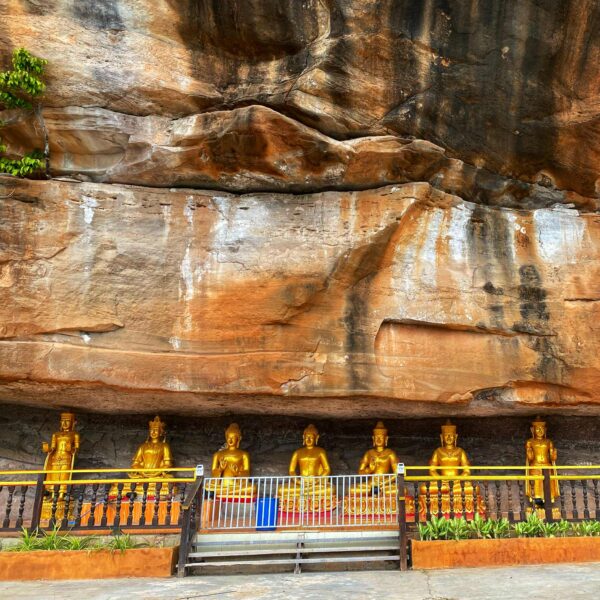
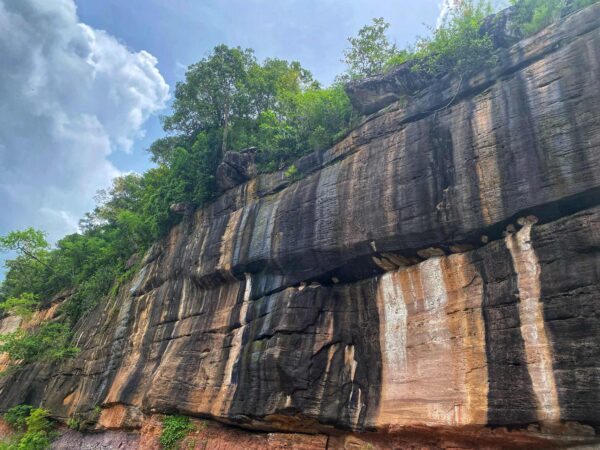
The towering cliff before the cave is also tied to the tale. Villagers say it was shattered by the force of Phra Sang Sinchai’s enchanted arrow, which struck the mountain’s peak, sending huge rocks tumbling down and leaving only the sheer cliff face we see today.
So, have you figured out the moral of this famous Thai folktale?
Fruits baskets are sweet, but they won’t win her heart.
ตะกร้าผลไม้มันหวานนะ แต่ไม่ช่วยให้เธอตกหลุมรักหรอก
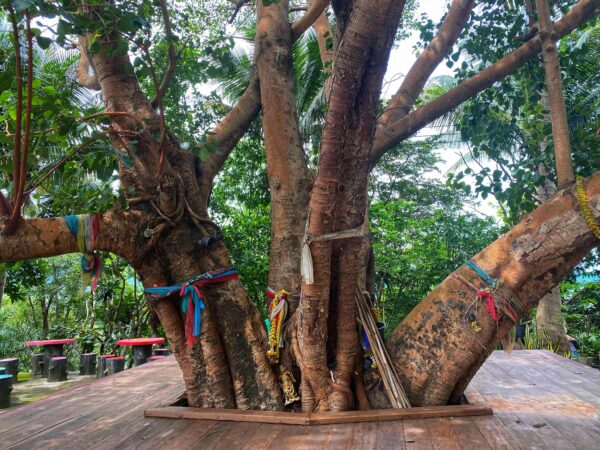
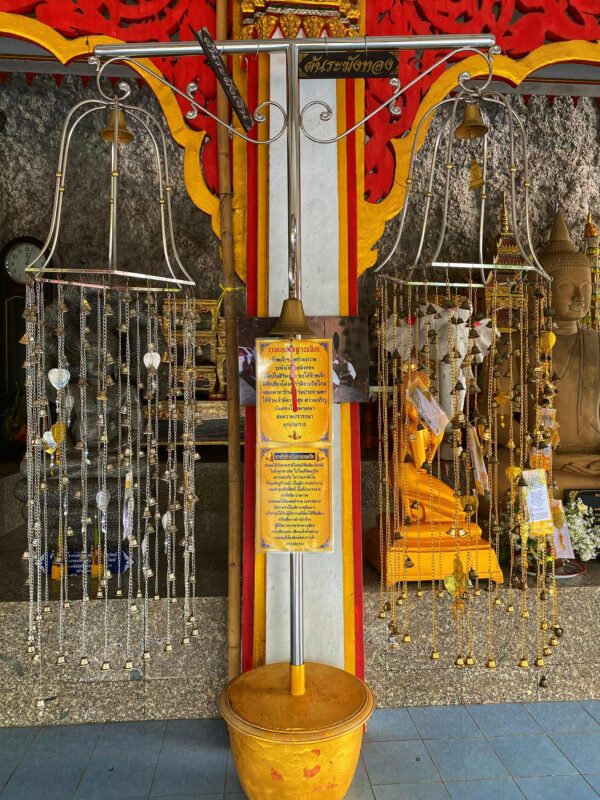
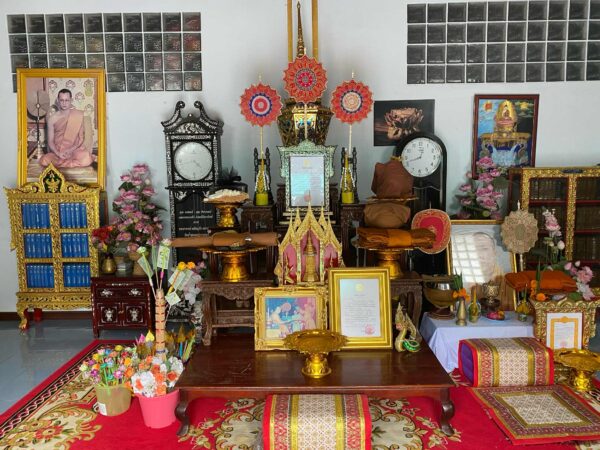
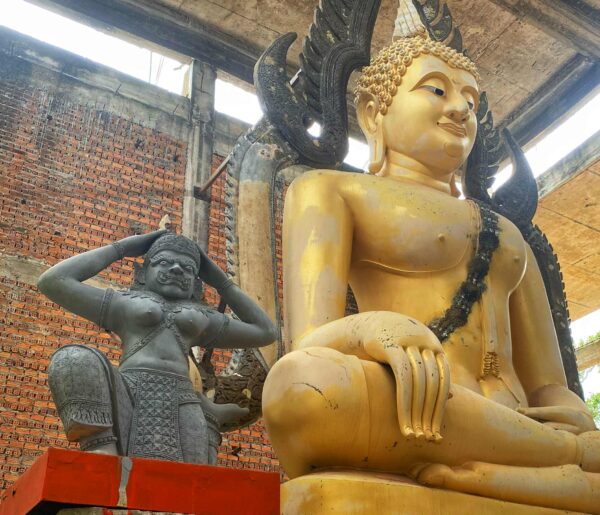
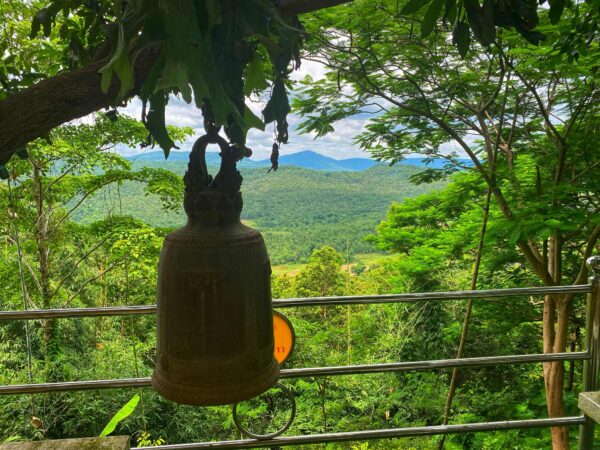
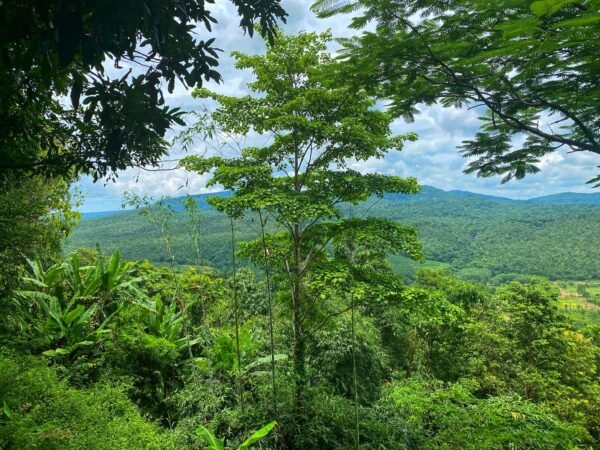
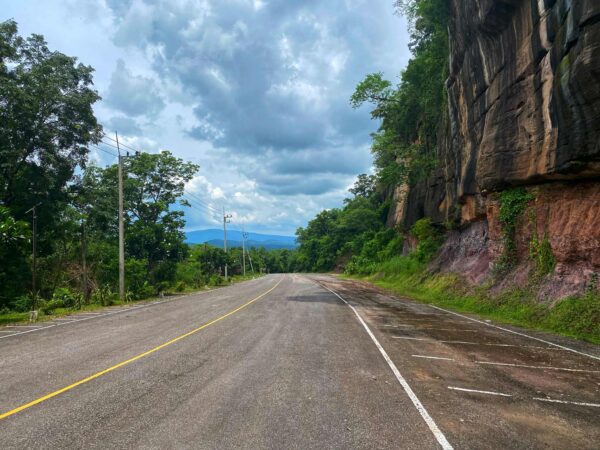
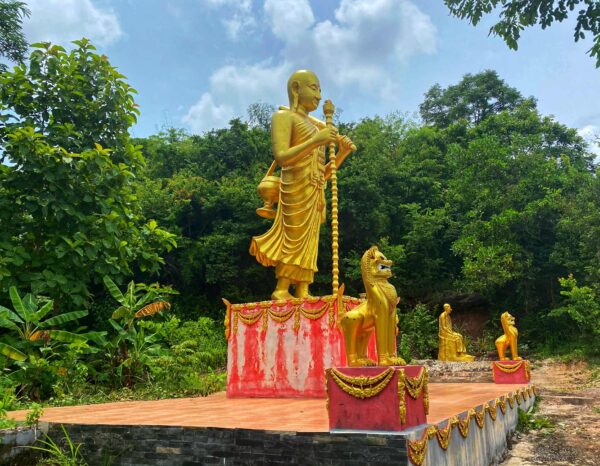
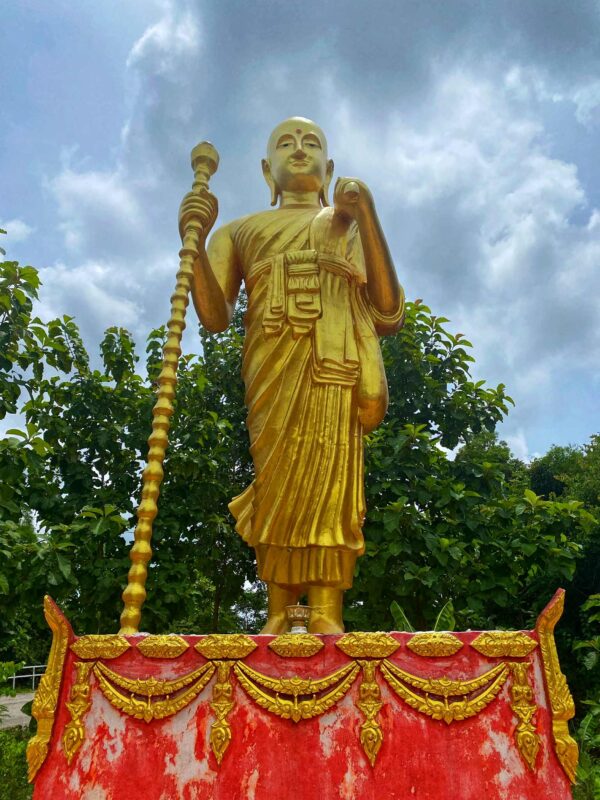
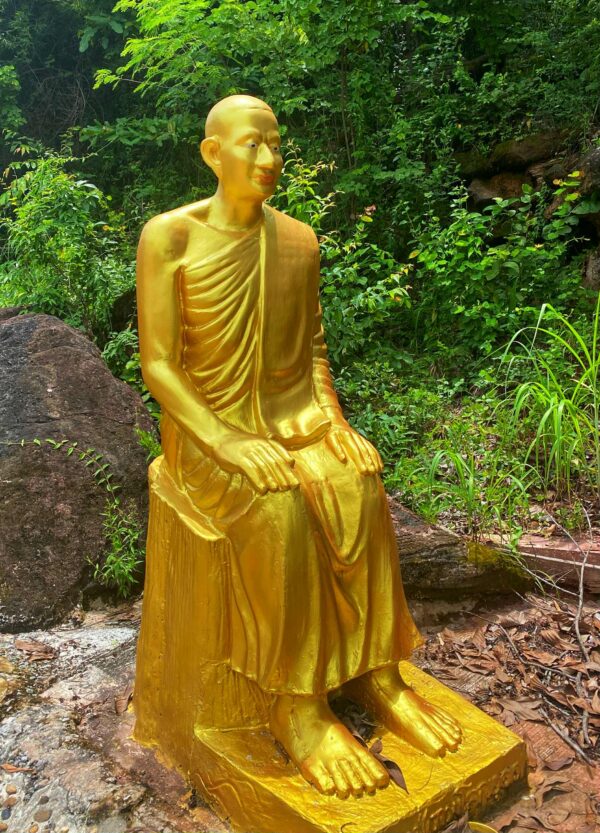
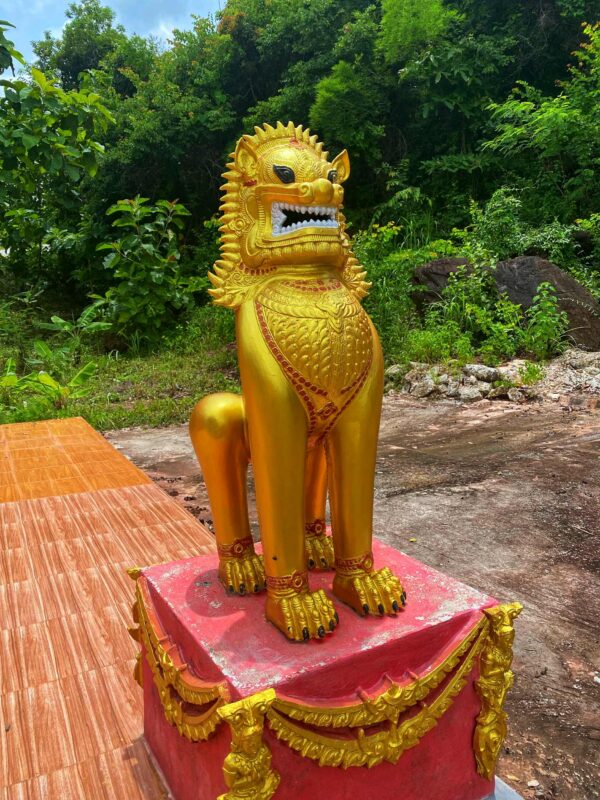
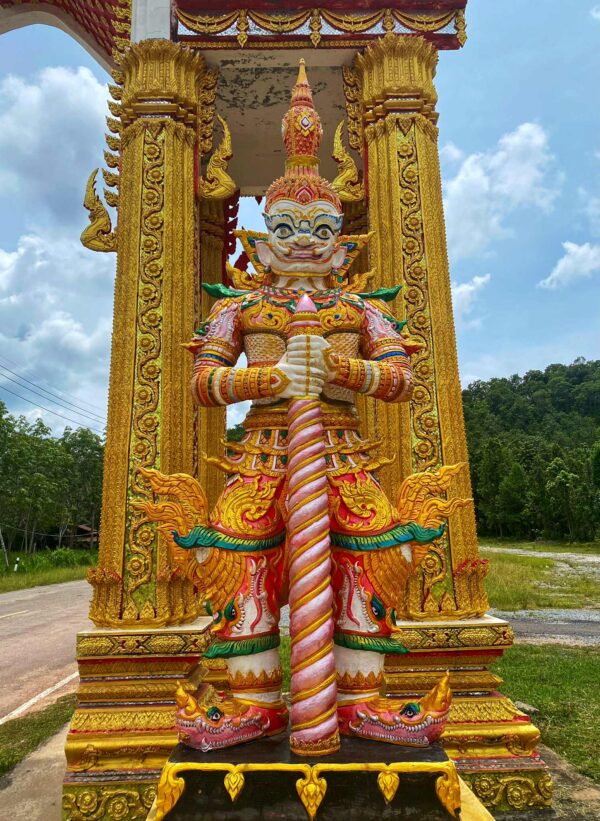
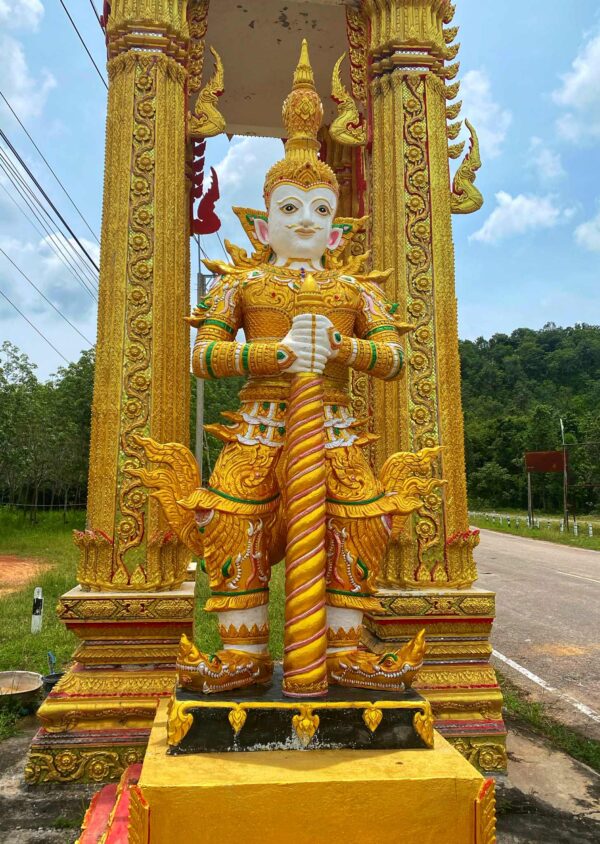
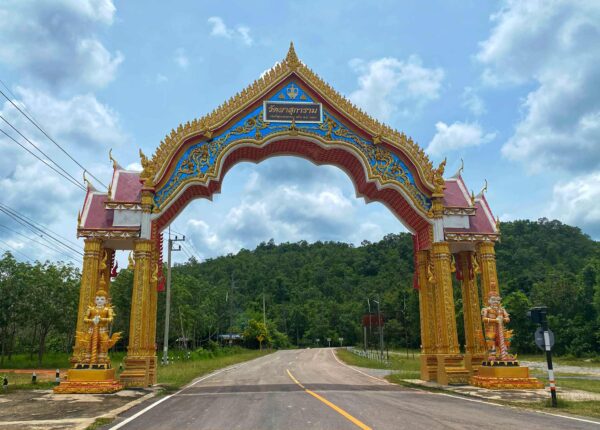
Wat Tham Sumontha Phaowana (Photo Gallery)

- How I Wrote “Rak Sakon Nakhon”: A Thai Song for the Road Home - September 12, 2026
- Easy Thai Songs to Sing & Learn for Karaoke - September 5, 2026
- Reframe Your Brain for Thai Learning - April 18, 2026